Inside the High-Stakes Crash That Defined Jerry Johnston's Racing Career
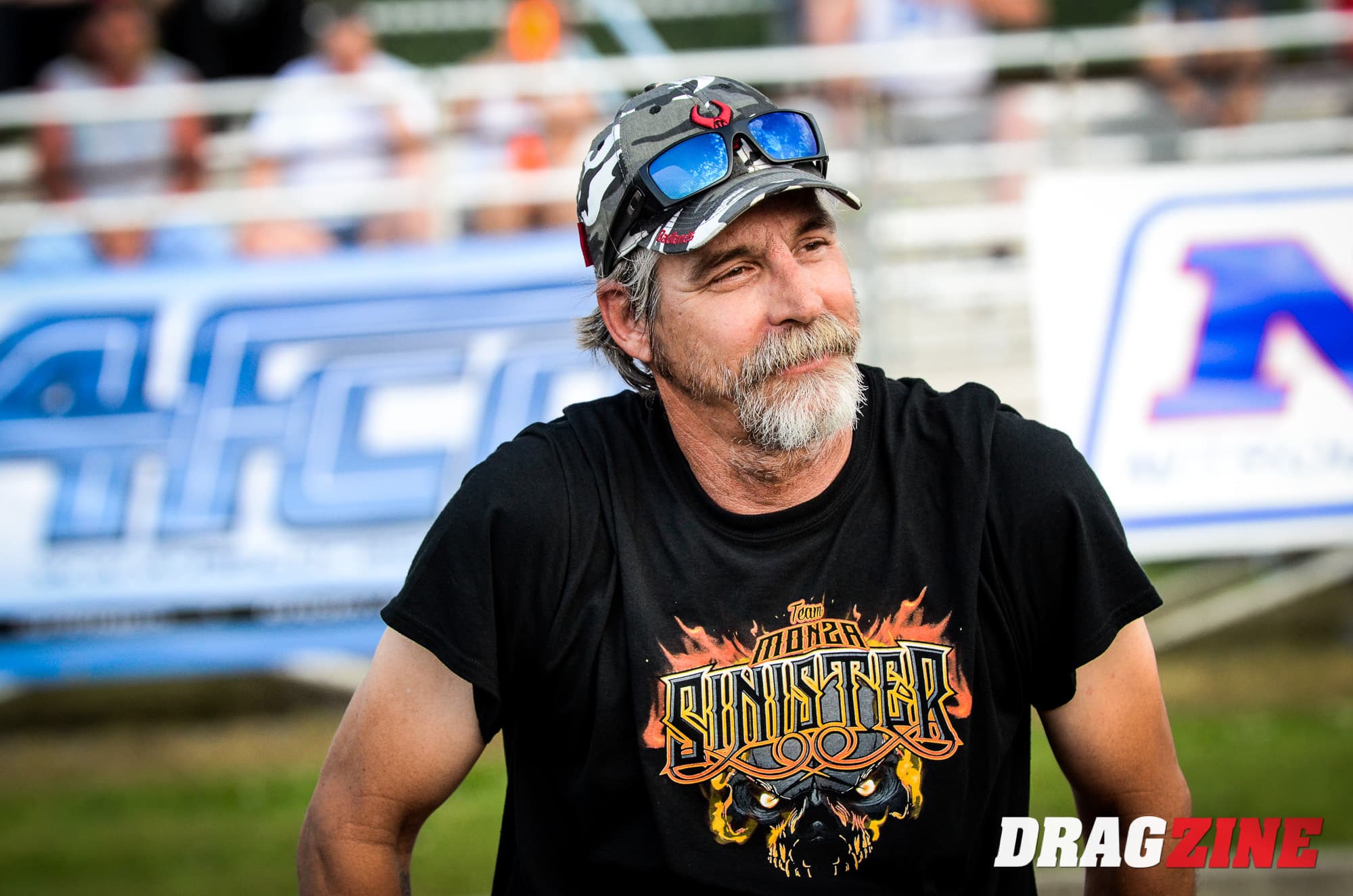
During the filming of season five's episode six of Discovery Channel's Street Outlaws, sensation Jerry "Monza" Johnston experienced a harrowing incident that tested both his skill and the limits of his vehicle's capabilities.
Monza's competitive spirit drove him to push his 1972 Camaro Rally Sport—equipped with a nitrous motor and custom modifications—to its maximum potential.
Despite meticulous preparations and numerous tuning sessions, the pursuit of speed culminated in a catastrophic loss of control at high velocity.
The collision triggered a chain reaction, sending the car into a series of spins before coming to rest in a dramatic barrel roll.
Witnesses and participants alike recall the tense moments following the crash, as emergency services rushed to the scene while Monza assessed his condition amidst the wreckage.
His response to onlookers, marked by resilience and concern for others, underscored the camaraderie among competitors even in the face of danger.
The aftermath brought renewed scrutiny to the show's production practices, particularly regarding safety protocols and regulatory compliance.
Producers faced criticism for overlooking essential safety measures, prompting discussions about the balance between entertainment value and participant welfare.
Monza's recovery highlighted his determination, as he returned to racing shortly after, albeit with heightened awareness of the inherent dangers.
This event remains a pivotal chapter in the narrative of "Street Outlaws," illustrating the fine line between ambition and caution in extreme sports.
The story serves as a reminder of the sacrifices and risks undertaken by athletes in pursuit of excellence, leaving an indelible mark on the legacy of street racing culture.
Unraveling the Aftermath
In the wake of the incident, Monza's immediate focus shifted to ensuring his own safety and that of his crew.
His decision to rely solely on braking rather than deploying the parachute—a standard safety measure—resulted in a compromised recovery, emphasizing the critical role of proper equipment in high-risk scenarios.
The show's production team faced intensified pressure to address safety concerns, leading to temporary suspensions and policy revisions aimed at preventing similar occurrences.
Public reaction oscillated between empathy for Monza's ordeal and debate over the ethics of televised extreme sports.
Industry experts weighed in on the necessity of stricter regulations, citing the incident as a case study in risk management.
Monza's subsequent interviews reflected a nuanced understanding of responsibility, acknowledging both personal accountability and systemic gaps in safety infrastructure.
Ultimately, the crash catalyzed meaningful changes in how street racing was documented and regulated, shaping future iterations of the series.
Legacy and Lessons Learned
Monza's resilience became emblematic of the broader racing community's ethos—pushing boundaries while adapting to evolving challenges.
His post-crash advocacy for enhanced safety standards influenced not only "Street Outlaws" but also parallel efforts in motorsport organizations worldwide.
Documentaries and retrospectives now frequently reference this episode as a turning point, highlighting the delicate interplay between passion and prudence.
Younger generations of racers cite the incident as a cautionary tale, blending inspiration with respect for the sport's perils.
Monza's career trajectory, marked by both triumphs and trials, continues to resonate as a testament to human endurance and the relentless pursuit of mastery.
Today, his story remains integral to discussions about innovation, safety, and the enduring allure of speed.



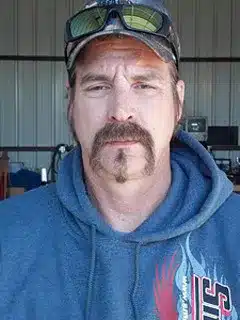
Given these developments, it's plausible to infer that Ryan Fellows' tragic outcome stemmed directly from inadequate safety oversight during the filming process.
His untimely death underscores the profound consequences of neglecting precautionary measures in high-stakes environments.
Stakeholders involved have since emphasized reforms aimed at aligning entertainment demands with rigorous safety benchmarks.
The intersection of ambition and vulnerability remains central to narratives like Fellows', reminding us of the fragile balance between spectacle and survival.
As media landscapes evolve, ethical considerations around depicting hazardous activities gain prominence, urging creators to prioritize audience protection without compromising authenticity.
This incident stands as both a cautionary lesson and a catalyst for progress within the industry.
