Exploring the Origins and Impact of 'Swap Shop' and Its Cultural Significance
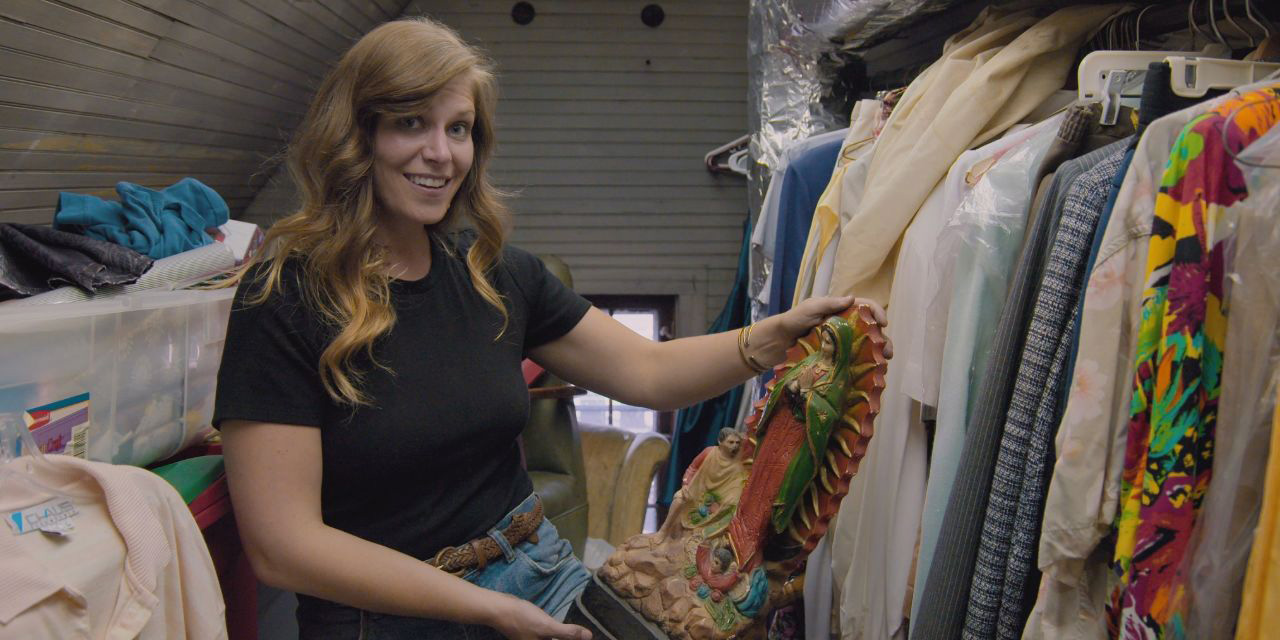
At the heart of a charming rural Tennessee community lies a unique enterprise known as Swap Shop, a television phenomenon that has captivated audiences with its intriguing blend of commerce and social interaction. Drawing inspiration from the venerable World Famous Swap Shop radio program, this show brings together nine couples in a lively exchange of goods and stories, mirroring the real-life ebb and flow of small-town market dynamics.
Originally conceived as a nod to the classic radio segment, Swap Shop has evolved into a platform where the value of personal narratives is as important as the items up for trade. The show's format pays homage to its predecessor while introducing viewers to the nuances of modern-day bartering, set against the picturesque backdrop of East Tennessee.
The legacy of World Famous Swap Shop is deeply woven into the fabric of the community, with its founder, Debbie Beal, playing a pivotal role in translating the radio experience to the screen. Her initial reservations about the portrayal were assuaged by the production team's genuine intent to celebrate the spirit of the swap shop culture without resorting to caricature.
Despite the untimely passing of one of its beloved hosts, the show perseveres, adapting to the evolving landscape of reality television and the sensitive nature of its subject matter. The narrative of Richard Davis, intertwined with the memory of his wife Amber, serves as a poignant reminder of the human element at the core of Swap Shop.
Viewers are introduced to the dedicated individuals behind Nirvana Comics, a local comic book store that became a cultural touchstone after Amber's death. The store's continued operation is a testament to the resilience and adaptability of its proprietors, Garin and his team, who have embraced new ventures while honoring their past.
The show's exploration of the antique world reveals the profound impact of Maus, a Pulitzer Prize-winning graphic novel, on the community's consciousness. The fundraising efforts to secure copies for students underscore the intersection of art, education, and activism, highlighting the potential for literature to inspire change.
As the second season of Swap Shop unfolds, it brings back familiar faces and introduces fresh dynamics, reflecting the ever-changing tapestry of human connections and material culture. The show's ability to resonate with audiences lies in its authentic portrayal of everyday life, the unpredictability of human encounters, and the timeless appeal of exchanging treasures.
Filmed against the scenic vistas of East Tennessee, Swap Shop captures the essence of a region steeped in tradition yet open to innovation. The narrative extends beyond the screen, inviting viewers to ponder the significance of physical artifacts and the stories they embody.
In conclusion, Swap Shop is more than a television program; it is a celebration of community, a tribute to the enduring power of storytelling, and a reflection on the values that bind us together in an increasingly digital age.
